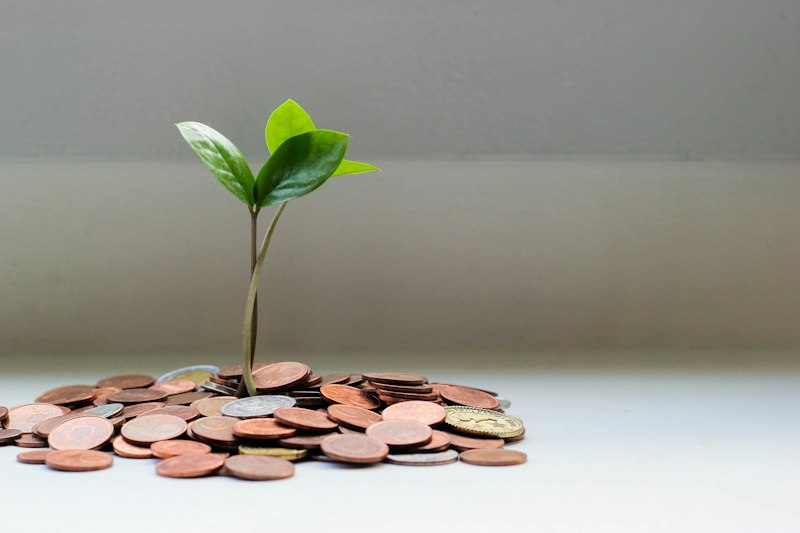
Reaching your first $100,000 in a 401(k) is a pivotal milestone because compound growth starts doing much more of the heavy lifting.
Why the First $100,000 Feels Slow
In early years, most of your balance growth comes from your contributions, not returns. That is normal. Once your balance grows, market returns become a larger part of annual growth.
Tactics to Reach $100,000 Sooner
1. Contribute enough to get the full employer match
2. Increase your contribution rate by 1% every raise
3. Front-load contributions if your plan allows true-up matching
4. Keep investment fees low
5. Avoid early withdrawals and loans
A Sample Timeline
An employee earning $80,000 who contributes 12% and receives a 4% match can often reach $100,000 in about 6-8 years, depending on returns.
The Key Behavior: Automation
Set automatic increases and keep your target allocation consistent. Consistency beats perfectly timing the market.
Use our calculator to test how changing your contribution rate from 10% to 13% affects your first $100,000 timeline.
Why This Milestone Changes Momentum
At smaller balances, your annual gains are usually dominated by contributions. As balances grow, market returns contribute a larger share of annual growth. Reaching $100,000 is often where that transition becomes visible and motivating.
Priority Stack for Faster Progress
1. Full employer match
2. Increase contribution rate with each raise
3. Keep fees low
4. Avoid disruptions (cash-outs, long contribution pauses)
5. Stay invested through normal volatility
Example Improvement Path
If you save 10% today, moving to 11% this year and 12% next year can be more realistic than attempting an immediate jump to 15%. The compounding impact of incremental increases is still substantial, especially when started early.
What to Measure Quarterly
1. Contribution rate
2. Total annual contribution pace
3. Match capture status
4. Net expense ratio of selected funds
Small process discipline, repeated over years, is usually what gets savers to six-figure balances faster than expected.